

ERP System Comparison
Navigating ERP System Mergers
with Data-Driven Confidence
In the pressure of mergers and acquisitions, ERP system comparison becomes one of the hardest and most critical decisions to get right. When different ERP platforms collide, organisations must determine the smartest path forward — especially when evaluating ERP software options across SAP, Oracle, Microsoft Dynamics and other systems.
- Should systems be consolidated?
- Which processes add value if preserved, and which create waste if duplicated?
A wrong step can stall integration, complicate ERP integration, and destabilise the business.
FUTUROOT takes the guesswork out.
We connect directly to ERP event logs and transform them into a clear, fact-based picture of how your processes really run. Variations, overlaps and gaps that usually stay hidden are made visible. And with that visibility comes the confidence to move fast, reduce risk, accelerate cross-system process comparison, and build a business case rooted in evidence.
Whether you’re weighing Oracle vs SAP ERP, Microsoft Dynamics against Oracle, or evaluating cloud ERP solutions for future scalability, FUTUROOT gives you the clarity to choose wisely.
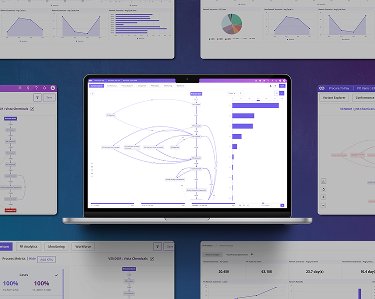
See FUTUROOT in Action
A global manufacturer of power solutions faced a critical challenge: how to unify Oracle NetSuite at headquarters with SAP in its UK subsidiary after an acquisition — without wasting time, money, or risking disruption. The decision on whether to consolidate systems or run them in parallel carried major cost and operational implications.
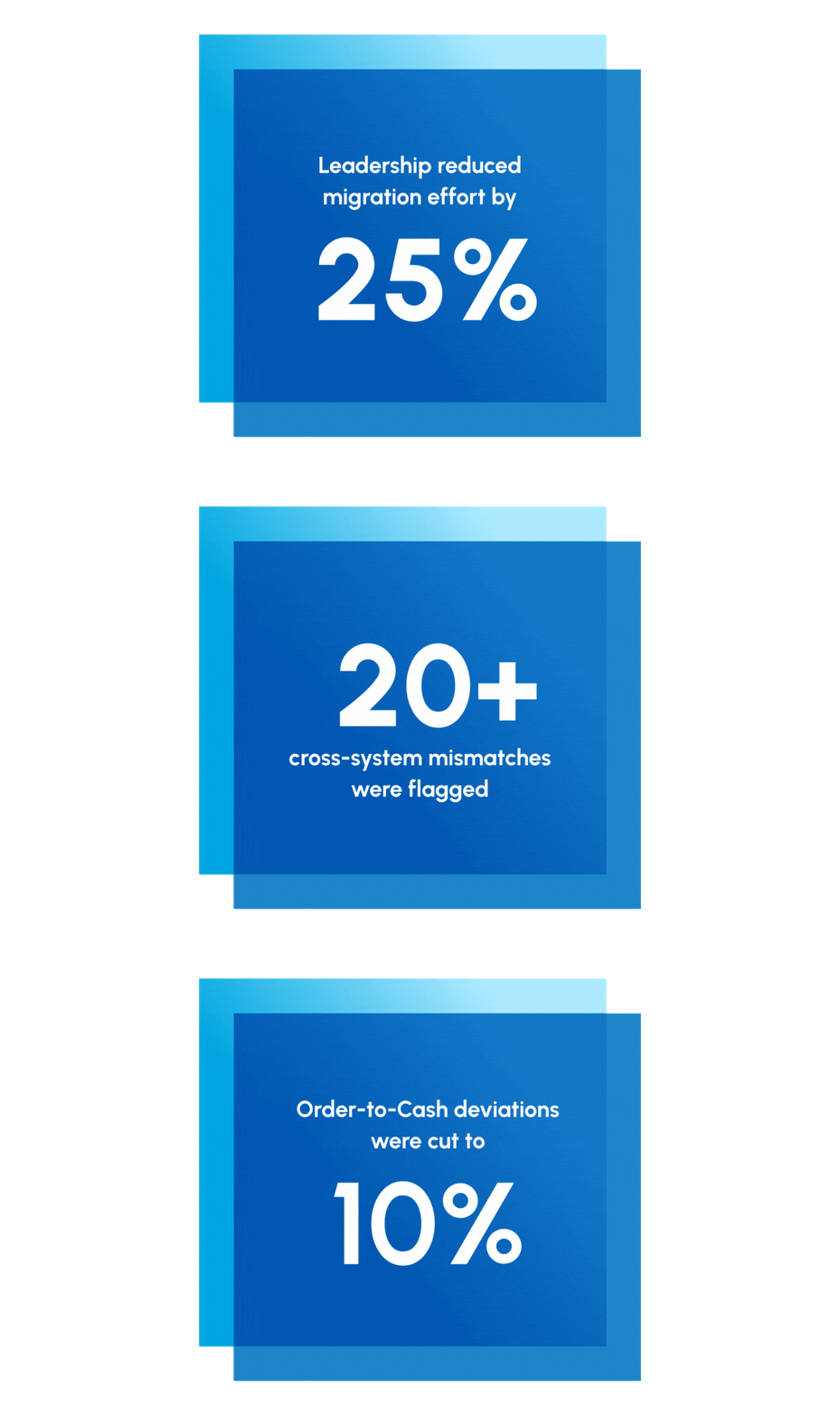
FUTUROOT gave them the clarity they needed. By connecting directly to event logs from both ERPs, we showed how finance and procurement processes truly operated, where they overlapped, where they diverged, and where risks hid. Over 20 cross-system mismatches were flagged, 65% of workflows were mapped as common, and Order-to-Cash deviations were reduced from 40% to 15%.
With that visibility came confidence. Leadership reduced projected migration effort by 25% — saving an estimated £500K — and reached a consolidation decision in 10 weeks instead of six months, backed by facts rather than assumptions.
This case illustrates how organisations evaluating cloud ERP solutions, performing enterprise resource planning software evaluation, or exploring process mining tools for ERP harmonization and risk reduction can make high-stakes decisions with clarity, speed, and evidence.
FAQ’s
What is ERP system comparison?
ERP system comparison is the process of evaluating how different ERP platforms support business processes, operational requirements, scalability, and future business objectives. FUTUROOT ERP System Comparison uses process intelligence and ERP event log analysis to compare SAP, Oracle, Microsoft Dynamics, NetSuite, and custom ERP environments based on how processes actually operate rather than relying solely on system features.
How can organisations compare SAP and Oracle ERP systems using real data?
Traditional ERP evaluations focus on functionality checklists and vendor claims. FUTUROOT compares SAP and Oracle environments using real process execution data, event logs, process variants, cycle times, compliance performance, and operational outcomes, helping organisations make evidence-based ERP decisions.
How do organisations choose between SAP and Microsoft Dynamics?
The right ERP depends on operational complexity, industry requirements, scalability needs, existing technology investments, and business processes. FUTUROOT analyses actual business workflows across SAP and Microsoft Dynamics environments, enabling organisations to compare process efficiency, standardisation opportunities, and long-term fit.
How does process mining support ERP harmonisation after acquisitions?
Following mergers and acquisitions, organisations often operate multiple ERP systems simultaneously. FUTUROOT uses process mining to identify common processes, duplicate workflows, process variations, and integration opportunities, helping organisations develop ERP harmonisation strategies with lower risk and faster outcomes.
How can organisations identify overlapping processes across multiple ERP systems?
Overlapping processes can be difficult to identify using documentation alone. FUTUROOT analyses ERP event logs across systems and visualises process execution side by side, revealing duplicated activities, common workflows, and opportunities for consolidation.
How does FUTUROOT reduce ERP migration risk?
ERP migrations often fail because organisations underestimate process complexity and operational dependencies. FUTUROOT provides visibility into real process execution before migration begins, helping teams identify exceptions, bottlenecks, compliance risks, and process variations that could impact project success.
What is ERP harmonisation?
ERP harmonisation is the process of standardising business processes, data structures, and operating models across multiple ERP systems. FUTUROOT helps organisations identify which processes should be standardised, consolidated, retained, or redesigned, accelerating harmonisation initiatives while reducing disruption.
How can organisations evaluate cloud ERP solutions more effectively?
Cloud ERP evaluations should consider process performance, scalability, integration complexity, operational efficiency, and future business requirements. FUTUROOT uses process intelligence to compare cloud ERP solutions based on actual operational performance, helping organisations make more informed technology decisions.
Which business functions benefit most from ERP system comparison?
ERP comparison initiatives typically focus on finance, procurement, supply chain, manufacturing, inventory management, customer operations, and shared services. FUTUROOT provides process-level visibility across these functions, helping organisations understand the operational impact of ERP decisions before committing to large-scale investments.
How does FUTUROOT support Oracle and SAP integration projects?
FUTUROOT analyses processes across both Oracle and SAP environments, identifying integration points, process gaps, duplication, bottlenecks, and optimisation opportunities. This helps organisations create more effective integration strategies while improving operational visibility and process performance.
How quickly can FUTUROOT deliver ERP comparison insights?
Traditional ERP assessment programmes can take months. FUTUROOT connects directly to ERP event logs and begins generating process intelligence within weeks, helping organisations make faster, evidence-based decisions during mergers, acquisitions, ERP transformations, and integration programmes.
Why Traditional ERP Comparisons Often Fail
Most ERP selection and consolidation projects rely on workshops, spreadsheets, interviews, and vendor demonstrations. While useful, these methods rarely show how processes actually operate.
FUTUROOT takes a different approach.
By analysing real ERP event logs from SAP, Oracle, Microsoft Dynamics, NetSuite, and custom ERP systems, FUTUROOT creates an objective comparison based on:
- Process efficiency
- Process standardisation
- Compliance performance
- Cycle times
- Exception rates
- Automation opportunities
- Integration complexity
- Business impact
This allows organisations to make ERP decisions using evidence rather than assumptions.
How is FUTUROOT different from traditional ERP evaluation approaches?
Traditional ERP comparisons rely on workshops, spreadsheets, interviews, and vendor demonstrations — methods that rarely show how processes actually operate. FUTUROOT connects directly to ERP event logs from SAP, Oracle, Microsoft Dynamics, and NetSuite, reconstructing real process execution to reveal variations, overlaps, bottlenecks, and risks that documentation-based assessments miss entirely. The result is an ERP decision based on evidence rather than assumptions — typically delivered within weeks rather than months