

Digital Transformation Consulting for Business Process Simplification
Streamlining Digital Transformation
with Data-Driven Clarity
Navigating a major ERP transformation is one of the most complex challenges organisations face. Without a clear understanding of current operations, digital transformation consulting initiatives can be slowed by hidden inefficiencies, extended timelines, and unexpected costs.
Before beginning a SAP S/4HANA migration, organisations often face critical questions:
Should processes be simplified before the transition?
Which current practices add real value, and which simply create waste?
How can you ensure a smooth, on-time, and on-budget migration?
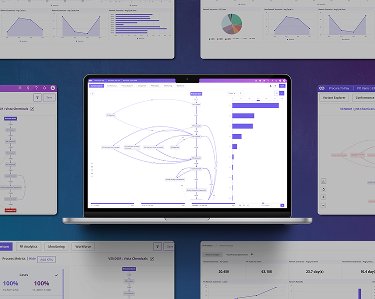
FUTUROOT removes the uncertainty.
By connecting directly to system event logs, FUTUROOT provides a fact-based view of how business processes actually run. This enables organisations to support digital transformation planning with clear operational evidence rather than assumptions.
Variations, overlaps, and blind spots that usually remain hidden become visible—allowing teams to perform true business process simplification before migration.
This clarity allows organisations to:
- Move fast — gain a precise, data-driven view of operations in weeks, not months
- Reduce risk — eliminate inefficiencies before they surface after migration
- Build a business case — support transformation decisions with measurable data
Whether you’re executing a SAP ECC to S/4HANA migration, consolidating ERP platforms, or preparing for future growth, FUTUROOT enables a structured ERP readiness assessment that ensures transformation initiatives start with clarity.
Instead of relying on a risky lift and shift approach, organisations can simplify processes first—reducing complexity before entering the new system.
See FUTUROOT in Action
Preparing for SAP S/4HANA Migration Through Business Process Simplification
Discover how a leading agribusiness organisation used FUTUROOT to simplify ECC processes and prepare for a faster SAP S/4HANA migration.
Facing a 12-month deadline to move from SAP ECC to S/4HANA, the company needed to modernise its systems without carrying years of operational inefficiencies into the new environment.
A simple lift and shift migration might have appeared faster—but it risked transferring redundant variants, unnecessary custom code, and compliance gaps into the new platform.
FUTUROOT provided the clarity needed for better digital transformation planning.
By analysing ECC event logs, the platform revealed how processes actually operated across finance and procurement workflows. It highlighted deviations from ERP implementation best practices, along with redundant process variants and inefficiencies.
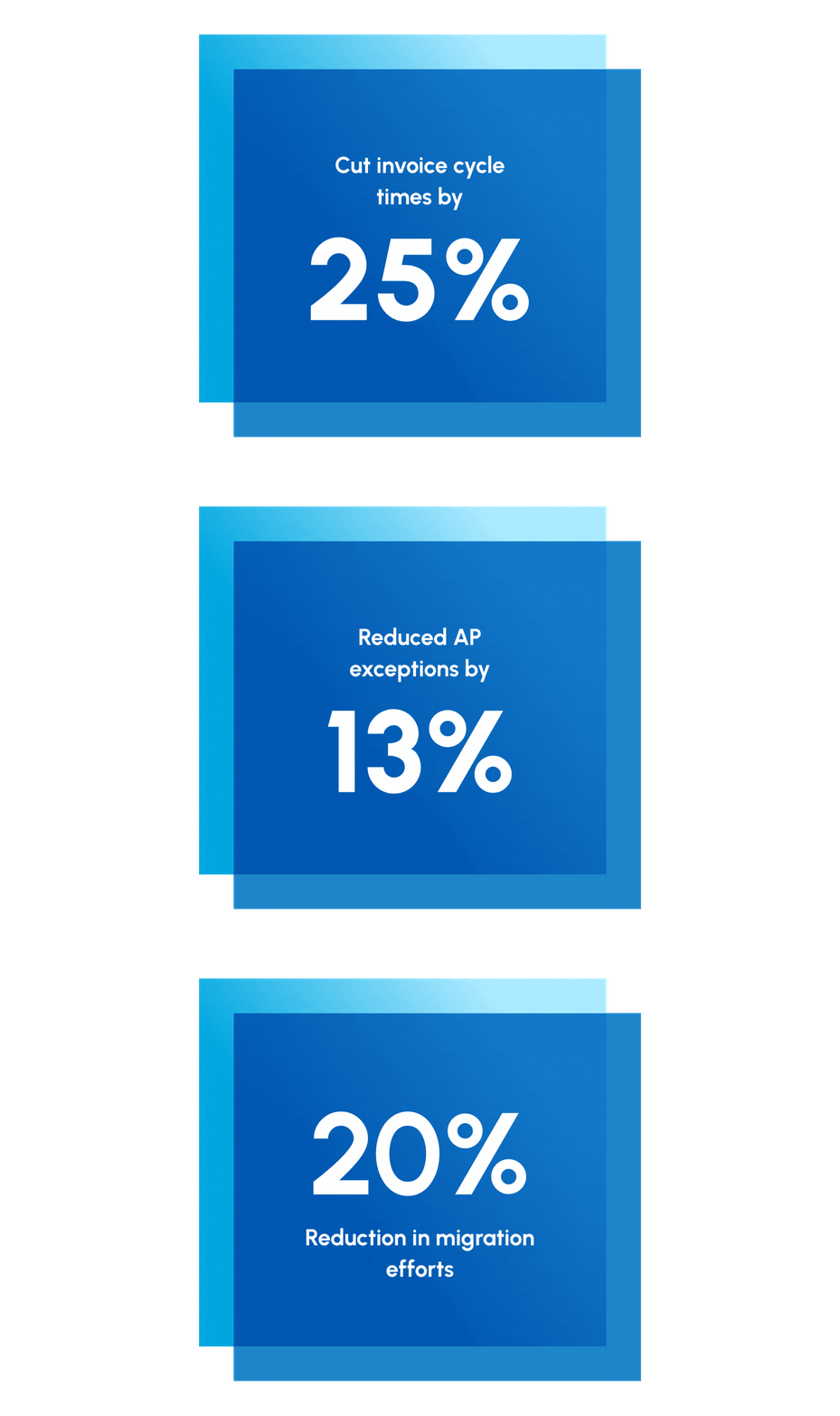
Within weeks the organisation achieved measurable improvements:
- 62% of redundant process variants eliminated
- 30% of custom Z-codes retired
- Invoice cycle times reduced by 25%
- Accounts payable exceptions reduced by 13%
Overall, these improvements delivered a 20% reduction in migration effort, enabling faster implementation and smoother adoption after go-live.
With clear operational insight, the company launched its transformation program with confidence—supported by structured change management in digital transformation and built on evidence rather than opinion.
The result: a leaner migration, simplified operations, and a stronger foundation for future growth.
FAQ’s
Why should organisations simplify business processes before SAP S/4HANA migration?
Migrating inefficient processes into a new ERP system often transfers existing complexity into the future environment. FUTUROOT helps organisations simplify processes before migration by identifying redundant activities, process variants, bottlenecks, and unnecessary customisations, reducing migration effort and long-term operational complexity.
What is an ERP readiness assessment?
An ERP readiness assessment evaluates whether business processes, controls, workflows, and operational practices are prepared for a successful ERP transformation. FUTUROOT performs ERP readiness assessments using process mining and SAP event log analysis, providing fact-based visibility into current-state operations before migration begins.
How does FUTUROOT support SAP ECC to S/4HANA migration projects?
FUTUROOT analyses SAP ECC event logs to understand how processes actually operate across finance, procurement, supply chain, and operational workflows. This enables organisations to simplify processes, eliminate unnecessary complexity, and migrate to SAP S/4HANA with greater confidence and lower risk. FUTUROOT also analyses Master Data to help cleanse the Master Data before migration of data
How can organisations reduce risk during ERP transformation programmes?
ERP transformation risk often comes from poor process visibility, redundant workflows, excessive customisations, and inconsistent execution. FUTUROOT reduces risk by identifying these issues before migration, helping organisations address root causes rather than carrying them into the new ERP environment.
What is business process simplification?
Business process simplification involves eliminating unnecessary steps, reducing process variations, standardising workflows, and removing operational complexity. FUTUROOT uses process mining to identify opportunities for simplification across finance, procurement, supply chain, and enterprise operations.
How does process mining improve digital transformation consulting?
Traditional consulting approaches often rely on workshops, interviews, and assumptions. FUTUROOT uses process mining and event log analysis to provide objective evidence of how processes actually run, enabling more accurate transformation planning and decision-making.
How can organisations eliminate redundant SAP process variants?
Over time, SAP environments often accumulate multiple versions of the same process. FUTUROOT identifies redundant process variants by analysing execution patterns, allowing organisations to standardise workflows and reduce unnecessary complexity before migration.
Can FUTUROOT optimise finance and procurement processes before migration?
Yes. FUTUROOT analyses Procure-to-Pay, Accounts Payable, Record-to-Report, and other finance processes to identify inefficiencies, bottlenecks, compliance risks, and improvement opportunities before ERP transformation programmes begin.
How does process simplification reduce SAP migration effort?
Simplified processes require fewer configurations, less testing, fewer customisations, and reduced change management effort. FUTUROOT helps organisations eliminate unnecessary complexity, resulting in faster implementation timelines and lower migration costs.
What makes FUTUROOT different from traditional digital transformation consulting?
Traditional consulting often relies on stakeholder interviews and process documentation. FUTUROOT provides a fact-based view of ERP processes using process mining and event log analysis, enabling organisations to make transformation decisions based on operational evidence rather than assumptions.
What business outcomes can organisations expect from process simplification before migration?
Organisations typically achieve reduced migration effort, lower implementation risk, fewer customisations, improved process standardisation, stronger compliance, faster user adoption, and better long-term ERP performance. FUTUROOT helps create a cleaner foundation for successful digital transformation initiatives.