

Automation Initiatives Using Process Intelligence
Unlocking Automation Potential with Data-Driven Process Clarity
Automation promises speed, efficiency, and scale—but deciding what to automate, and where it will deliver real impact, is often guesswork. In complex environments like Accounts Payable (AP), with multiple company codes and high volumes of manual work across territories, the risk is clear: investing in the wrong areas can cause automation initiatives to stall before delivering value.
This is where process intelligence becomes essential. By analysing real operational data, organisations gain visibility into how processes truly operate and where automation can deliver the greatest impact.
FUTUROOT removes the uncertainty from automation initiatives. By connecting directly to SAP event logs, the platform transforms raw process data into a clear, fact-based roadmap. Repetitive tasks, manual inefficiencies, and hidden bottlenecks—what usually remains unseen—become visible.
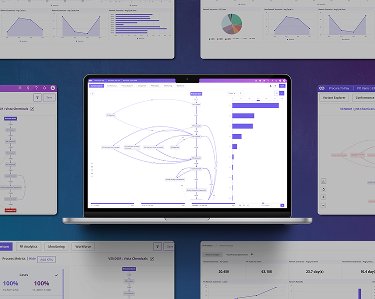
With these insights, organisations can build a strong automation strategy and move confidently toward AI transformation and AI in digital transformation initiatives.
This clarity allows teams to:
- Prioritise the right automation opportunities
- Quantify ROI using operational metrics
- Reduce manual errors and accelerate operational cycles
With FUTUROOT, automation initiatives start with facts – not assumptions.
See FUTUROOT in Action
Using Process Intelligence to build an Automation Roadmap
Discover how a global leader in specialty insurance distribution and niche risk solutions used FUTUROOT to identify high-value automation opportunities in Accounts Payable and unlock measurable impact.
The company faced a familiar challenge: multiple AP company codes, heavy manual workloads, and hidden inefficiencies slowing invoice processing cycles. Without system-based evidence, automation initiatives risked becoming assumption-driven projects rather than a clear AI implementation roadmap.
FUTUROOT changed that. By connecting directly to SAP event logs, the platform used process intelligence to reveal how Accounts Payable operations actually ran. The analysis uncovered that 42% of AP tasks were automation-ready, providing a strong foundation for intelligent
automation initiatives.
Operational improvements followed quickly:
- Straight-through processing increased from 35% to 70%
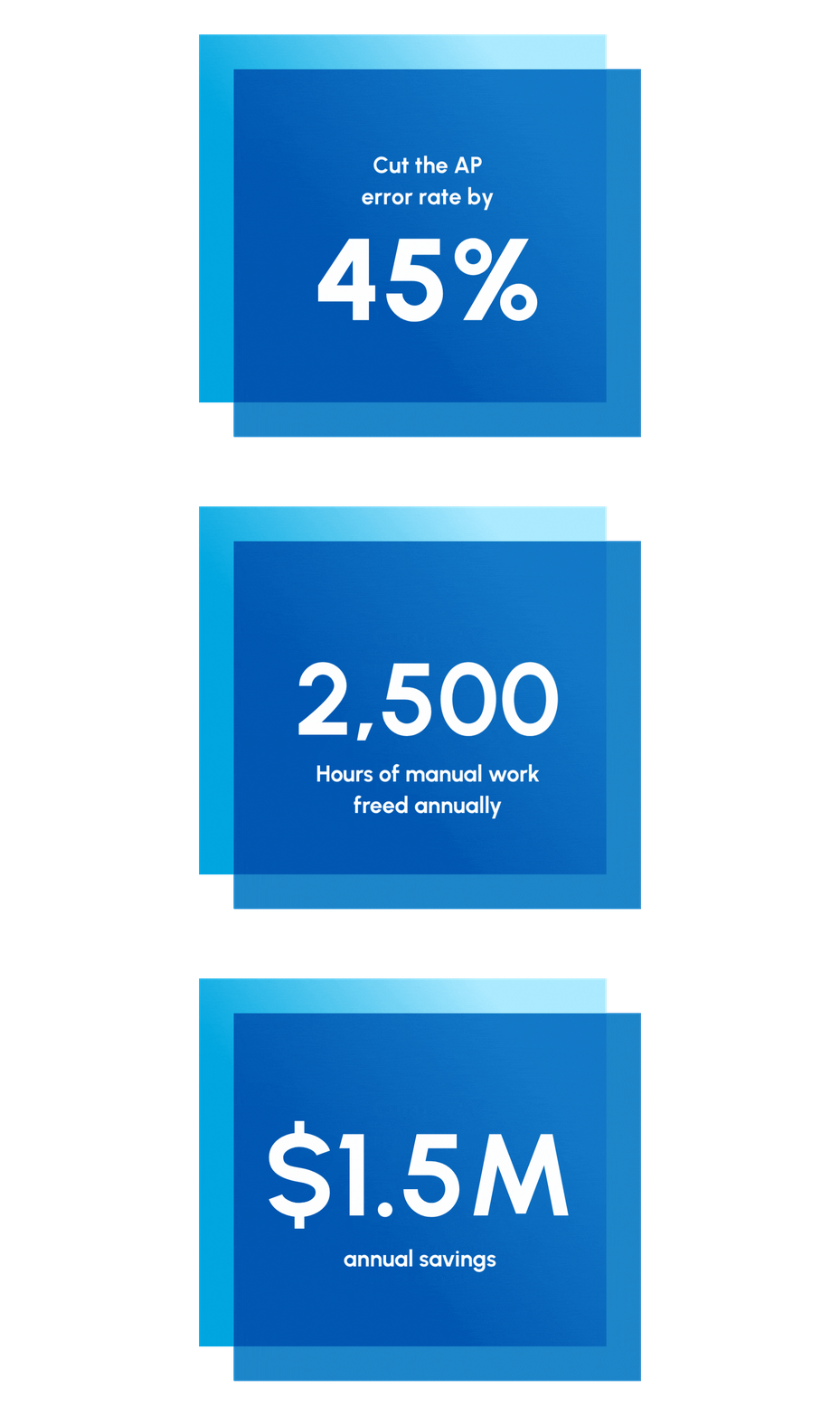
- AP error rates dropped by 45%
- Manual duplicate checks were eliminated
These improvements freed more than 2,500 hours annually while reducing invoice cycle times from 12 days to 6 days. Compliance also improved significantly. Policy adherence rose from 78% to 94%, strengthening AI governance and operational control. The result was a clear, data-driven roadmap for digital process optimization and scalable automation.With $1.5M in annual savings, leadership had a fact-based automation strategy they could trust.
FAQ’s
What is process intelligence for automation initiatives?
Process intelligence uses operational data, process mining, and workflow analysis to identify how business processes actually operate. FUTUROOT Process Intelligence helps organisations uncover automation opportunities, quantify business value, and prioritise automation initiatives based on real operational evidence rather than assumptions.
How can organisations identify automation-ready tasks in Accounts Payable?
Automation-ready tasks are typically repetitive, rule-based, high-volume activities that require limited human judgement. FUTUROOT analyses Accounts Payable processes to identify tasks such as invoice validation, duplicate checking, approval routing, exception handling, and payment processing that are suitable for automation.
How does FUTUROOT support Accounts Payable automation?
FUTUROOT connects directly to SAP and ERP event logs to analyse invoice processing workflows, approval cycles, exception rates, and manual activities. This helps organisations identify bottlenecks, reduce invoice cycle times, improve compliance, and increase straight-through processing across Accounts Payable operations.
What is straight-through processing (STP)?
Straight-through processing refers to transactions that move through a business process without manual intervention. FUTUROOT identifies process bottlenecks and automation opportunities that increase straight-through processing rates, helping organisations reduce manual effort, improve efficiency, and lower operating costs.
How can organisations reduce invoice processing times?
Invoice cycle times are often extended by manual approvals, missing data, duplicate checks, and exception handling activities. FUTUROOT identifies the root causes of invoice delays and highlights automation opportunities that accelerate processing and improve supplier payment performance.
How does process mining help prioritise automation projects?
Process mining reveals where time, effort, cost, and process variation accumulate within business operations. FUTUROOT uses process mining to quantify automation opportunities and rank projects based on operational impact, implementation complexity, ROI potential, and strategic value.
Which ERP systems can FUTUROOT analyse for automation initiatives?
FUTUROOT supports SAP ECC, SAP S/4HANA, Oracle ERP, Microsoft Dynamics, NetSuite, Salesforce, and custom ERP environments. The platform analyses event logs and operational data to identify automation opportunities across finance, procurement, supply chain, HR, and operational processes.
How does FUTUROOT help build an AI automation strategy?
Successful AI automation initiatives require a clear understanding of current process performance and automation readiness. FUTUROOT help identifying repetitive activities, quantifying inefficiencies, and highlighting areas where AI and automation can deliver measurable business value. Post which, FUTUROOT helps organisations build scalable automation programmes that deliver measurable ROI and sustainable business value.
How can organisations reduce AP error rates and rework?
Accounts Payable errors often result from manual data entry, inconsistent processes, duplicate invoices, and exception handling failures. FUTUROOT identifies error-prone activities and automation opportunities that reduce rework, improve process quality, and strengthen financial controls.
What makes FUTUROOT different from traditional automation consulting approaches?
Traditional automation programmes often rely on workshops, interviews, and assumptions about how processes operate. FUTUROOT uses real ERP event data and process intelligence to reveal how work actually happens, ensuring automation initiatives are prioritised based on evidence and measurable business outcomes.
How quickly can FUTUROOT identify automation opportunities?
Most organisations begin uncovering automation opportunities within weeks. FUTUROOT’s prebuilt connectors, process intelligence accelerators, and automation assessment frameworks rapidly identify high-value automation initiatives across Accounts Payable and other business functions.
What business outcomes can organisations expect from FUTUROOT automation initiatives?
Organisations typically achieve improvements in invoice cycle times, straight-through processing rates, policy compliance, process accuracy, operational efficiency, and cost reduction. FUTUROOT helps organisations build scalable automation programmes that deliver measurable ROI and sustainable business value.